
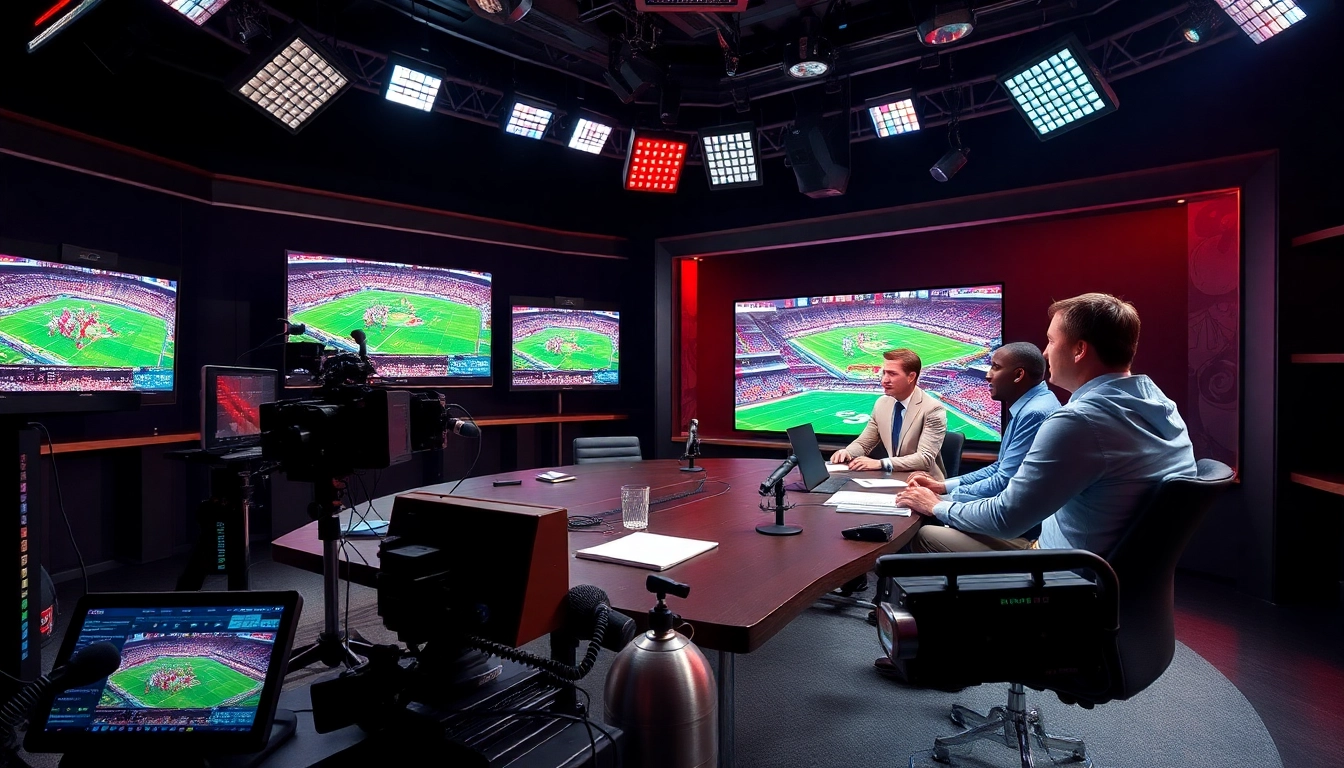
Understanding Sports Broadcasting
What is Sports Broadcasting?
Sports Broadcasting encompasses the live transmission of sports events to an audience via various media platforms, such as television, radio, and the internet. This industry involves content creation, production, and distribution, catering to sports enthusiasts who seek immediate access to games, updates, and analyses. With the advent of digital technology, Sports Broadcasting has evolved dramatically, enhancing viewers' experiences and diversifying the ways fans interact with their favorite sports.
The Evolution of Sports Broadcasting
From its inception in the early 20th century, sports broadcasting has undergone significant transformations driven by technological advancements. Initially, games were broadcasted live via radio, allowing fans to tune in while at home or at work. As technology progressed, television became the primary medium for sports broadcasts, offering visual enhancements and dedicated sports channels. In recent years, the rise of streaming platforms has revolutionized the Sports Broadcasting landscape, enabling viewers to watch their favorite events in real-time on various devices, enhancing accessibility and convenience.
Benefits of Sports Broadcasting
Sports broadcasting provides numerous advantages, including:
- Increased Access: Fans can easily catch games they might have otherwise missed, regardless of location.
- Enhanced Engagement: Through commentary and analysis, broadcasters enrich the viewing experience, providing fans with insights and context.
- Community Building: Broadcasting fosters a sense of community among fans, creating shared experiences across different platforms.
- Revenue Generation: Advertising and sponsorships associated with broadcasts contribute significantly to sports leagues and teams' revenues.
Key Components of Sports Broadcasting
Essential Equipment for Effective Broadcasting
To successfully execute a sports broadcast, several key equipment pieces must be in place. Essential tools include:
- Cameras: Quality cameras are crucial for capturing high-definition video. Multiple angles can provide a comprehensive view of events.
- Microphones: High-quality microphones are essential for clear audio, particularly for commentary and crowd noise.
- Switchers: Video switchers help transition between multiple camera feeds, allowing for a polished final product.
- Graphics Software: This software provides on-screen graphics, scores, and additional information, increasing viewer engagement.
Choosing the Right Platform
Selecting the right platform for broadcasting is vital for reaching your target audience. Options include traditional television networks, online streaming platforms, and social media. Factors to consider include:
- Audience Demographics: Analyze your target audience's preferences to choose a platform they frequent.
- Content Type: Live events may perform better on streaming services, while highlights could be suitable for social media platforms.
- Cost and Budget: Assess financial constraints associated with each platform, including distribution rights and production costs.
Setting Up a Broadcast
Once the equipment is in place and a platform is chosen, the next step is to set up the broadcast. Key steps include:
- Planning: Create a detailed outline of the coverage, including game timings and key topics for discussion.
- Rehearsals: Conduct practice runs to ensure all equipment works seamlessly and the commentary flows smoothly.
- Testing Equipment: Verify that all cameras, microphones, and switchers are functioning correctly prior to the live event.
- Live Monitoring: Maintain a real-time check on the broadcast to address any technical issues quickly.
Techniques for Successful Sports Broadcasting
Engaging Commentary and Analysis
Successful sports broadcasting hinges on delivering engaging commentary. Broadcasters should focus on the following techniques:
- Storytelling: Create narratives around players and events, drawing viewers into the action and providing context beyond just scores.
- Expert Analysis: Leverage expert opinions and statistics to enhance discussions. This provides depth to commentary and keeps audiences informed.
- Interactive Commentary: Encourage fan participation by responding to viewer comments and questions, fostering a two-way conversation.
Utilizing Social Media for Real-Time Interaction
Social media platforms have become integral to sports broadcasting, enabling real-time interaction with fans. Strategies include:
- Live Updates: Post live updates, score changes, and player statistics during events to keep fans engaged.
- Polls and Q&As: Utilize interactive features like polls to involve the audience, making them feel more invested in the broadcast.
- Behind-the-Scenes Content: Share exclusive content that gives fans an insider’s perspective on the teams, players, and preparation for the broadcast.
Visual and Audio Techniques to Enhance Broadcasts
High-quality visual and audio production techniques can enhance sports broadcasts significantly. Consider the following:
- Multiple Camera Angles: Employ varied camera angles to offer diverse perspectives, which can make game play more exciting.
- Audio Effects: Use crowd sound effects and special audio cues to create an immersive experience.
- Dynamic Graphics: Incorporate dynamic graphics that show key statistics, scores, and player stats to keep viewers informed.
Challenges in Sports Broadcasting
Technical Difficulties and Solutions
Technical difficulties can arise at any stage of the broadcasting process. Common issues include:
- Signal Loss: Ensure backup equipment and alternative signal sources are available to prevent interruptions.
- Equipment Malfunctions: Regular maintenance and testing of equipment can mitigate unforeseen breakdowns.
- Software Glitches: Make sure all software used for editing and streaming is up to date and backed up in case of crashes.
Maintaining Audience Engagement
Keeping audiences engaged throughout a broadcast is crucial. Strategies to maintain interest include:
- Variety in Content: Incorporate different types of segments, such as interviews, analysis, and highlights.
- Audience Interaction: Encourage viewers to engage with polls, questions, and chats during the broadcast, making them feel part of the event.
- Routine Updates: Regularly update on plays, scores, and significant moments during the event for continuous viewer engagement.
Legal Considerations in Sports Broadcasting
Before broadcasting, it’s essential to be aware of legal considerations such as:
- Broadcast Rights: Obtain the necessary permissions and licenses to broadcast the event legally.
- Copyright Compliance: Ensure compliance with copyright laws pertaining to visual and audio content used during the broadcast.
- Advertising Regulations: Be mindful of rules surrounding advertisement placements and promotional content during sports events.
Future Trends in Sports Broadcasting
The Impact of Streaming Services
Streaming services are reshaping the landscape of Sports Broadcasting, offering more flexibility and choice to consumers. As these platforms invest heavily in exclusive content and partnerships, traditional broadcasters must adapt to keep up with changing viewer habits, making the industry more competitive and diversified.
Advancements in Technology
Technological advancements are constantly evolving the broadcasting experience. Innovations include:
- Virtual Reality (VR): VR can immerse viewers in the game, simulating the experience of being at the venue.
- Augmented Reality (AR): AR features provide additional real-time stats and visuals, enhancing the viewer’s understanding of the game.
- Artificial Intelligence (AI): AI tools can analyze gameplay in real-time, offering insights to enhance viewer commentary and analysis.
Viewer Preferences and Changes
Viewer preferences are continually changing, impacting how sports are consumed. Considerations include:
- On-Demand Content: Many fans prefer watching games on their schedule, increasing the shift towards on-demand services.
- Mobile Viewing: As mobile devices become more prevalent, broadcasts must adapt for smaller screens and interactive features.
- Personalized Experiences: Tailoring content to suit individual preferences through algorithms can enhance viewer satisfaction and loyalty.
Frequently Asked Questions
What is sports broadcasting?
Sports broadcasting involves transmitting live sports events across various media platforms, providing entertainment and engagement for fans.
How has sports broadcasting evolved?
Sports broadcasting has evolved through technological advancements, transitioning from radio to television and now streaming platforms, enhancing viewer access.
What equipment is essential for sports broadcasting?
Essential equipment includes cameras, microphones, switchers, and graphics software, all crucial for effective broadcasting.
What are some common challenges in sports broadcasting?
Challenges include technical difficulties, maintaining audience engagement, and navigating legal considerations surrounding broadcasts.
What trends are shaping the future of sports broadcasting?
Key trends include the rise of streaming services, advancements in technology, and shifting viewer preferences towards personalized and on-demand content.